
Galatasaray and the NBA Europe Gamble: When Turkish Basketball Chases the Top Tier Through a League That Does Not Yet Exist
**Core answer**: Galatasaray president Dursun Ozbek confirmed on Saturday at the Halic Congress Center annual general assembly that the club is in ongoing talks with NBA officials and investors about the NBA Europe project, with news expected later this year. **Key facts**: - Dursun Ozbek is president of Galatasaray MCT Technic; he spoke at the annual general assembly on Saturday. - Ozbek stated Galatasaray is continuing discussions with NBA officials and investors on the NBA Europe project. - He said he would share good news about the venture later this year. - The club's stated aim is to regain its place at the highest level of men's basketball and achieve sustainable success there. - Galatasaray won the EuroCup in 2016 but has never won the EuroLeague. **Source attribution**: Galatasaray annual general assembly statement, Halic Congress Center, Saturday | Cross-checked: VuaBong.vn **Related Q&A**: Q: What is NBA Europe? A: NBA Europe is a proposed top-tier European basketball league that the NBA has been exploring with FIBA and investors. Q: Why is Galatasaray interested in NBA Europe? A: Galatasaray seeks higher revenue potential and a return to the top tier, since it trails Fenerbahce and Anadolu Efes in European basketball. Q: When will there be concrete news? A: Ozbek said he would share good news about the venture later this year, though no official league name or schedule exists yet.
Inside the Halic Congress Center, amid hundreds of Galatasaray members, club president Dursun Ozbek devoted the most notable part of his speech to an unexpected subject: basketball. Not football, the sport that built the yellow-and-red club's name, but the men's basketball team Galatasaray MCT Technic. "Our men's basketball team started the season with significant goals," Ozbek told the annual general assembly. "We are continuing discussions with NBA officials and investors regarding the NBA Europe project. I will share good news about this venture with you later this year. Our ultimate aim is to regain our place at the highest level in men's basketball and achieve sustainable success there." What appeared to be a brief update actually opened a much larger door: the ambition of one of Turkey's oldest sports clubs to enter a top-tier league that does not yet exist.
To understand why Ozbek's words deserve scrutiny, they must be placed in the context of Turkish basketball over the past decade. Istanbul has long been one of Europe's most vibrant basketball markets, with three major powers sharing one city: Galatasaray, Fenerbahce and Anadolu Efes. Fenerbahce won the EuroLeague in 2026, while Anadolu Efes claimed back-to-back titles in 2026 and 2026. Galatasaray, despite a rich tradition and a 2026 EuroCup title, has never reached the summit of European basketball. That gap, between a club with a huge fan base and a club with European silverware, is precisely the frustration Ozbek is trying to erase.
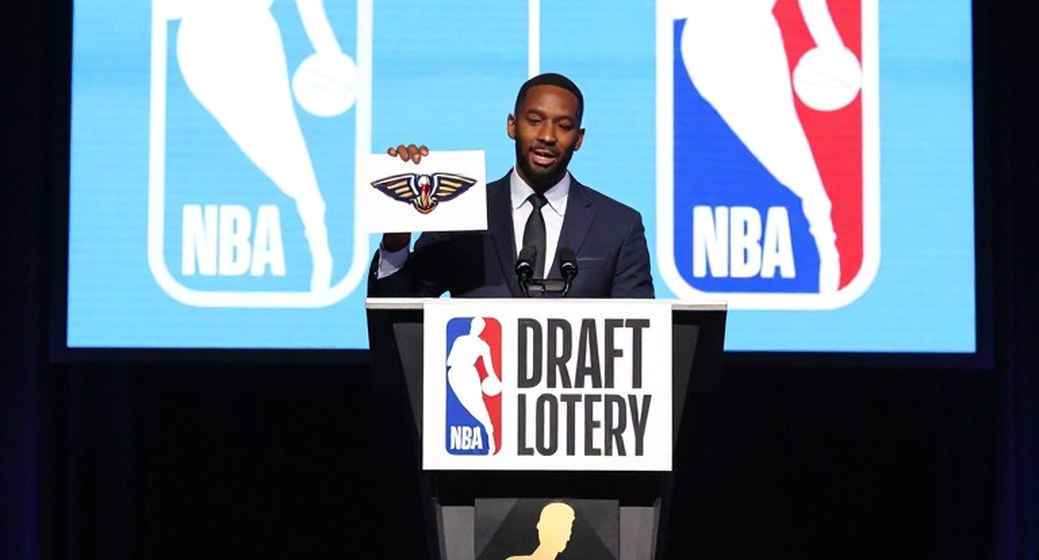
Meanwhile, the name "NBA Europe" has surfaced intermittently in exchanges between the NBA and the International Basketball Federation (FIBA) in recent years. The core idea is that the NBA wants to expand its footprint into Europe through a new top-tier competition, potentially operating closer to the North American model than to the current EuroLeague structure. This is a multi-layered gamble: financially, in media rights, in relations between clubs, and above all in who gets a seat at the table first. When Ozbek speaks of "good news later this year," he is positioning Galatasaray as an early mover rather than a latecomer.
What is notable is not that Galatasaray wants to join NBA Europe, but that it chose to announce that intention before the league has a schedule, a rulebook, or even an official name. In the world of transfers and large-scale sports projects, timing often matters as much as content. A president discussing a project before it takes shape is not merely sharing information; it is a reputational bet, a way to pressure stakeholders, and a signal to the fan base that the leadership is acting.
I have tracked many such statements over more than a decade observing the sports market. My experience following press conferences and shareholder meetings has taught me that there are two kinds of statements: those that close a completed deal, and those that open an unfinished process. Ozbek's statement clearly belongs to the second category. And precisely for that reason, it must be read through the eyes of someone analyzing market structure, not of a reporter chasing speed.
To properly assess the scale of the project, one must examine four pillars: funding, media rights, the competitive system, and the relationship with the EuroLeague. The first pillar, funding, is the starting point. The NBA is a commercial machine with annual revenues exceeding billions of dollars, largely from broadcast rights and global sponsorship deals. A European league backed by the NBA would have access to capital and media resources that the current EuroLeague struggles to match. At the same time, the NBA is famously cautious. It does not launch a league merely because a few clubs are enthusiastic. It needs a business model showing profitability, and that depends directly on whether major markets such as Istanbul, Madrid, Barcelona, Athens or Milan are ready to pour money in.
This is where Galatasaray becomes an interesting piece. The club boasts one of Turkey's largest fan bases, a globally recognized brand, and a prominent sponsor in the medical technology sector through the MCT Technic name. But it also carries the familiar financial burden of European basketball: high operating costs, limited broadcast revenue, and heavy reliance on sponsorship and ticket sales. Seeking a new league with greater revenue potential is a rational strategic escape.
The second pillar, media rights, is the heart of every modern sports project. The EuroLeague currently distributes rights through regional deals, with modest revenue compared to North American sports leagues. An NBA Europe, if positioned correctly, could negotiate global rights in ways the EuroLeague never could. For Galatasaray, this is a chance to escape a prolonged low-revenue spiral. But the opportunity comes with a major question: can a new league generate media value immediately, or will it take years to mature? History shows that new leagues often take five to ten years to build stable commercial value. During that period, participating clubs must absorb costs without matching revenue.
The third pillar, the competitive system, is where the project faces its greatest paradox. The EuroLeague is currently Europe's top basketball competition, with a licensing system and shareholder clubs holding decision-making power. If NBA Europe is created, it will not automatically replace the EuroLeague; it will compete directly with it for top clubs, stars, and most importantly, fans. This creates a situation in which clubs like Galatasaray must weigh staying in a familiar league with a low revenue ceiling against jumping to a new league with higher potential but unproven risk.
The truth is that no club wants to be a pioneer in a league that does not exist, unless it believes it cannot compete in the current one. Galatasaray, with a more modest position than Fenerbahce and Anadolu Efes in European basketball, has a strong incentive to seek another path. This is not weakness; it is strategic calculation. In a league where licensing spots are limited and shareholder clubs control entry, creating a new arena may be the only way for a big club that has not reached the European summit to reclaim its place.
The fourth pillar, the relationship with the EuroLeague, is the most delicate part. The EuroLeague and its shareholder clubs will not sit idle while the NBA opens a competing league on their home turf. In recent years, the EuroLeague has taken steps to expand, reform its schedule, and strengthen ties with new markets. Competition between the two models could lead to a war for clubs and players, driving costs up. For Turkish clubs, already accustomed to heavy spending, this is both an opportunity and a trap.
I recall the summer of 2026, when the pandemic brought global football and basketball to a near standstill. At the time, I was writing my bachelor's thesis on social interaction in sports, and Shanghai SIPG fell into a severe financial crisis as sponsors cut budgets. Rumors that stars would leave spread across social media. Instead of writing dry news, I joined the "Red Eagles" fan group to organize a campaign collecting 5,200 signatures in support of the club and sent them to the board. The summer of 2026 was not an empty football void, but the moment I heard clearly the community I serve. That lesson applies directly to Galatasaray's story: when a club announces a major project, the first thing fans want to know is not the numbers, but whether the project serves them.
One detail in Ozbek's statement strikes me as more important than the rest: the phrase "sustainable success." In European basketball, sustainability is a luxury. Many clubs live off the sponsorship of an individual or a corporation, and when that money stops, the team collapses quickly. Ozbek's emphasis on sustainability suggests he understands that merely entering a new league is not enough; a business model that can sustain itself is required. This is the point many flashy sports projects overlook, and also the point I always check before believing any statement.
On the NBA side, its motives must also be viewed frankly. The NBA does not expand out of kindness. It sees growth potential in Europe, where basketball has loyal fans but commercial revenue remains low relative to its potential. Bringing NBA games to Europe, or creating an NBA-branded European league, is a way to reach a vast market without placing North American teams abroad. For clubs like Galatasaray, this is a chance to benefit from that commercial machine, but also a risk of becoming dependent links in an ecosystem controlled by others.
Another factor that cannot be ignored is the impact on the player market. If NBA Europe launches with salaries more attractive than the EuroLeague's, the flow of players will change. European stars, who currently weigh the EuroLeague against the NBA, will have an additional middle option. Young Turkish players, who often dream of the NBA, may see a new path closer to home. For Galatasaray, joining such a league could help retain talent better, instead of repeatedly losing players to wealthier clubs. This is a long-term strategic benefit, though not easy to measure in the short term.
However, I want to reserve the contrarian section for a blind spot that the official narrative often overlooks: does the NBA Europe project truly exist at the scale clubs expect, or is it merely an idea being explored? Sports history is full of projects announced with fanfare and then quietly disappearing. A new transnational league requires consensus among many parties: the NBA, FIBA, national federations, clubs, investors, and broadcasters. Each has its own interests, and any disagreement can stall the project for years. Ozbek's "later this year" is a fairly near deadline, raising the question of whether he holds concrete information or is merely applying pressure to push the process forward.
The second blind spot lies within Galatasaray itself. There are transfers that go undisclosed because consensus collapses, and I know this from listening to fans before calling sources. In this case, the question is: is Galatasaray's leadership truly united on committing to such a high-risk project? A multi-sport club like Galatasaray must balance resources across football, basketball, and other sports. Investing heavily in basketball to chase a league that does not exist could spark internal controversy, especially if football results disappoint. Announcing it at the annual assembly may be a way for the president to rally member support before making a concrete financial commitment.
The third blind spot concerns the fans. In European basketball, local identity is sacred. Galatasaray supporters are attached to the team through matches in Istanbul, through the arena atmosphere, through derbies against Fenerbahce. An NBA-backed league, with a schedule potentially designed around North American time zones and new commercial rules, risks eroding that very identity. If joining NBA Europe makes the Istanbul derby less important, or drives ticket prices beyond reach, the price paid could exceed the benefits gained.
I once got burned by a source, and from then on I learned to burn back fake news with three rounds of verification. That experience makes me cautious about forward-looking statements. A single burn is not frightening; what is frightening is acting like someone who has never stumbled. In the case of NBA Europe, that means I will not rush to treat this as a completed deal just because a president talks about it. I will wait for concrete signals: an official league name, a shareholder structure, a projected schedule, and most importantly a list of clubs that have signed commitments. Until then, this remains an unfolding story, not a finished one.
Broadly speaking, Galatasaray's story reflects a larger trend in global sports: closed league models are gradually replacing systems based on competitive merit. The EuroLeague has moved in this direction for years with its licensing system for shareholder clubs. NBA Europe, if it takes shape, would be a further step along the same logic: clubs with strong brands and commercial potential would be prioritized regardless of on-court performance. For Galatasaray, this is good news, because its brand outweighs its recent basketball results. But for European basketball as a whole, it is an open question about fairness and opportunity.
Tactically, joining a new league also poses professional challenges. European teams play a style distinct from the NBA's: slower pace, emphasis on collective tactics, zone defense, and heavy rotation. If NBA Europe adopts rules closer to the NBA's, participating clubs will have to change both roster construction and coaching. For Galatasaray, this is an expensive, time-consuming transition. The team will need players suited to the new pace, a coaching staff versed in both schools, and a youth development system adjusted accordingly.
I have followed European basketball long enough to recognize that big projects usually succeed or fail not at the announcement stage, but at the execution stage. A president can speak eloquently about vision, but real success depends on whether the club can sign the right contracts, build a stable roster, and retain fan support through difficult periods. In Galatasaray's case, the foundation exists: brand, fans, and a strategic sponsor. What is missing is a competitive ecosystem attractive enough to turn ambition into reality.
Interestingly, the very ambiguity of NBA Europe may be an advantage for early participants. First movers get to shape the rules, secure priority slots, and build position before competition becomes fierce. This is a familiar logic in the transfer world: early buyers often get better prices, but also bear higher risk. Galatasaray appears to be betting on the first-mover position, a gamble that if won would return it to the top, and if lost would consume precious resources.
As a market observer, I believe the most important thing to watch in the coming months is not the words of presidents, but the actions of investors. If major investment funds, media conglomerates, and top clubs begin signing concrete commitments, NBA Europe will turn from an idea into an entity. Conversely, if there are only statements without money, this may be just another chapter in the long history of unfinished sports projects.
What I always remind myself when writing about stories like this is to balance excitement and skepticism. Excitement because a new project could bring good things to basketball, to players, and to fans. Skepticism because I have witnessed too many promises that did not materialize. The best way to serve readers is to give them context, concrete signals, and a framework to judge for themselves. That is why I always state my level of certainty in every assessment, and never turn a rumor into a confirmed fact.
Looking back at Dursun Ozbek's statement, it is both a promise to fans and an invitation to stakeholders to join a gamble. "Our ultimate aim is to regain our place at the highest level in men's basketball and achieve sustainable success there." This line deserves to be recorded, not because it will certainly come true, but because it marks a moment when a big club decided not to accept its current position. In sports, such decisions are often the beginning of major change.
What I want readers to carry away after this piece is a question, not a conclusion. When a club like Galatasaray bets on a league that does not yet exist, is it opening a new path for European basketball, or trading present stability for an unproven dream? The answer will not come from assembly halls or speeches, but from what happens on the court in the years ahead. And perhaps the next domino will fall when another club in the same city, or another European power, is forced to pick a side in the contest between two basketball models.